
A True Kiwi-Canadian Experience
Published On:
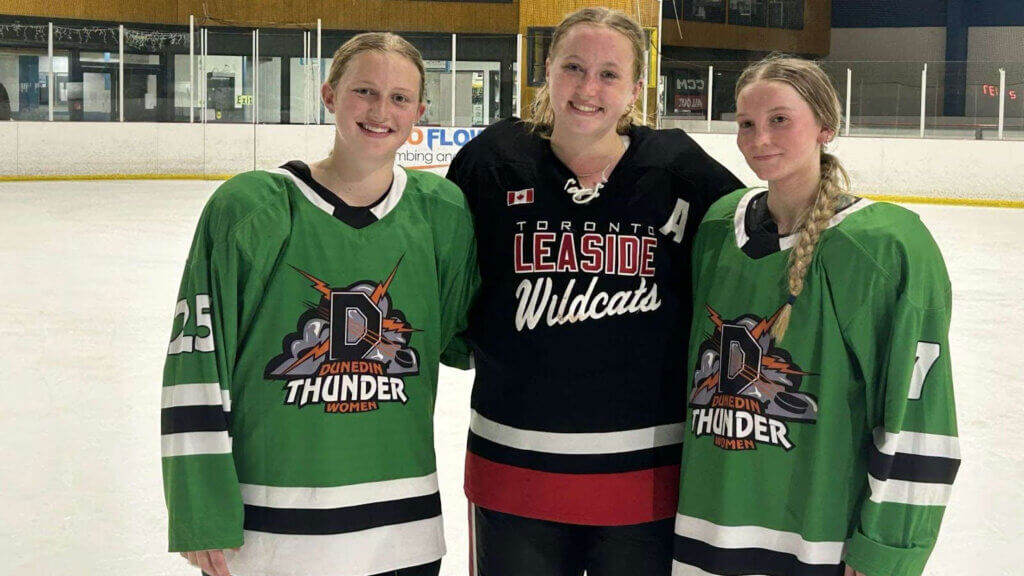
Leaving on my seventeenth birthday, fifty hours of travel under my belt, I landed safely in Christchurch on the South Island with my stick bag, equipment and checked bag, a blessing for my first time travelling alone. I almost left my passport and phone at one of the three flight check-ins. I had slept four hours during those fifty hours, but landed with a whole day ahead of me.
Ice hockey isn’t inherently a Kiwi sport, which didn’t hit me until my seatmates on the flight from Vancouver to New Zealand assumed my stick bag beneath the plane contained field hockey equipment.
I was living with a billet family I had met through an exchange of some New Zealand national team players to the Toronto Leaside Wildcats. Even knowing them, those first days were a culture shock to say the least. I arrived during the New Zealand winter, and was warned it would be “cold.” It was not. A balmy average of 12°C and down to 4°C at night, safe to say I spent my days in a T-shirt. The wrong side of the road threw me off when I kept getting in the driver's seat, more so than the stream of youth slang I needed to pick up, and fast.
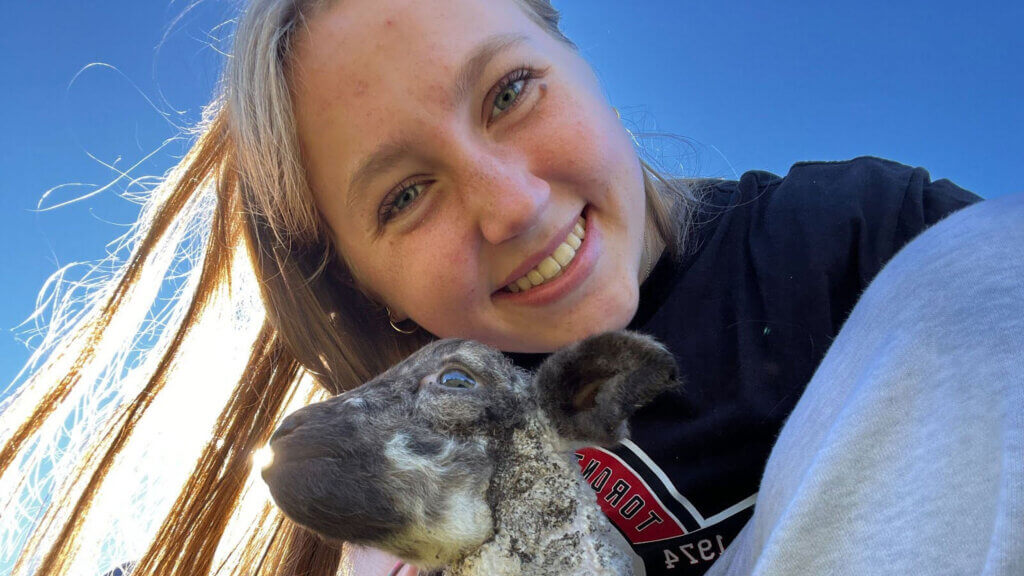
At my pick-up from the airport, I was greeted with familiar faces, and we loaded my gear into the Ute (Kiwi slang for truck). The family lived on a sheep farm on acres of land, nestled in a valley surrounded by mountains. I attended school rugby games, was taken to school for “Meet the Creature: Bring Your Canadian to School Day,” which only my host family celebrated, at Craighead Diocesan Girls’ School, a school not unlike Branksome. I got to witness “Ball season,” which is the same as prom, but I was told off several times for calling it prom. I would say I became quite patriotic, even laying on the old “Eh” when I needed to perform my authentic Canadianness, though that was better demonstrated when I went swimming in the ocean and was promptly stared at by the locals in jackets, hats, boots and gloves. August was lambing season.
As training happened in the evenings, I had entire days to occupy myself, and what better way than some good old farm work. Lambs needed feeding, paddocks needed reshuffling and bottles made. I got to name the lambs whose mothers were deemed unfit, and fed them five times a day with a bottle: Frank, Steven, Martha and Agnes, my kids.
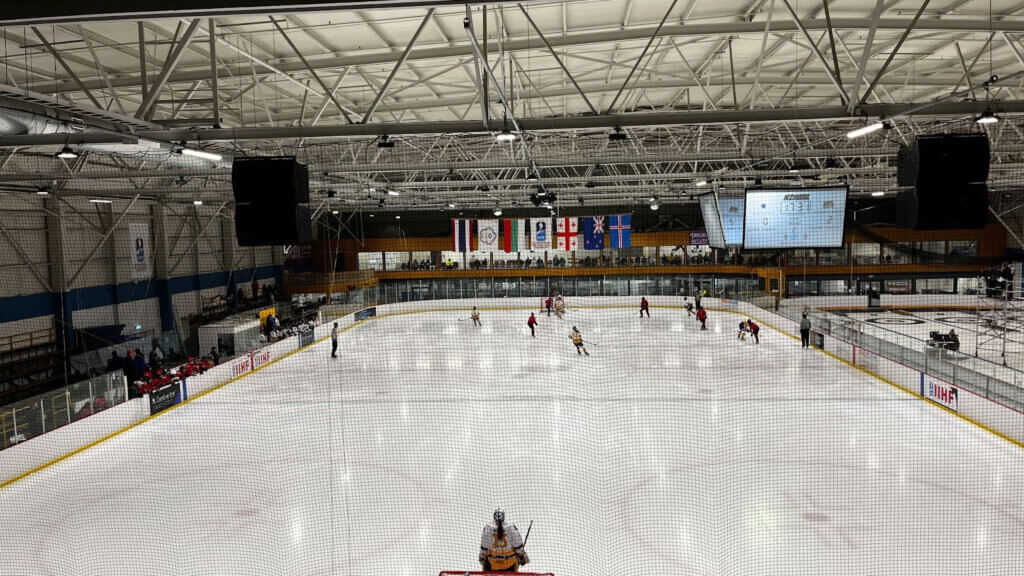
Ice time in Dunedin with the women's team and the U18 boys team, shinny on Lake Tekapo with the adult league, training whenever there was ice. It went on like that, farm, adventure, hockey, sleep, repeat, for two and a half months until I went to meet a team the Toronto Leaside Wildcats were sending over in the final two weeks. A competitive collection of girls between U15 and U18, many of them teammates and friends of mine, came and played a series of games against women's teams and the national team across the South Island: Christchurch, Tekapo, Queenstown, Alexandra and Dunedin. Our biggest game had more than 600 fans, all eager to watch their Kiwi players take on “the Canadians." We won the majority of our games and were asked for numerous autographs and pictures along the way.
It was amazing to see the passion the fans had and how excited they were to see us play. There were Canadian jerseys in the stands, people packed on the glass in Christchurch and the place was electric.
It was an honour to meet so many amazing athletes, and I made some friends for life. I have received offers to play with several of the women's teams during their season from June to August 2026: The Auckland Steele, Canterbury Inferno, Dunedin Thunder or the Wakatipu Wild. Regardless of the jersey, one thing is for certain: I will be back.
—Sarah C.