Belonging, Reciprocity and Choose Your Own Adventure Art: An Alum Conversation about Curation and Community Engagement
Published On:
When we discovered that two alums from different generations were both pursuing careers in museum curation and community engagement, we knew a conversation between them was a must. We invited them to connect and share what excites them about their industry, and learn from each other’s experiences.
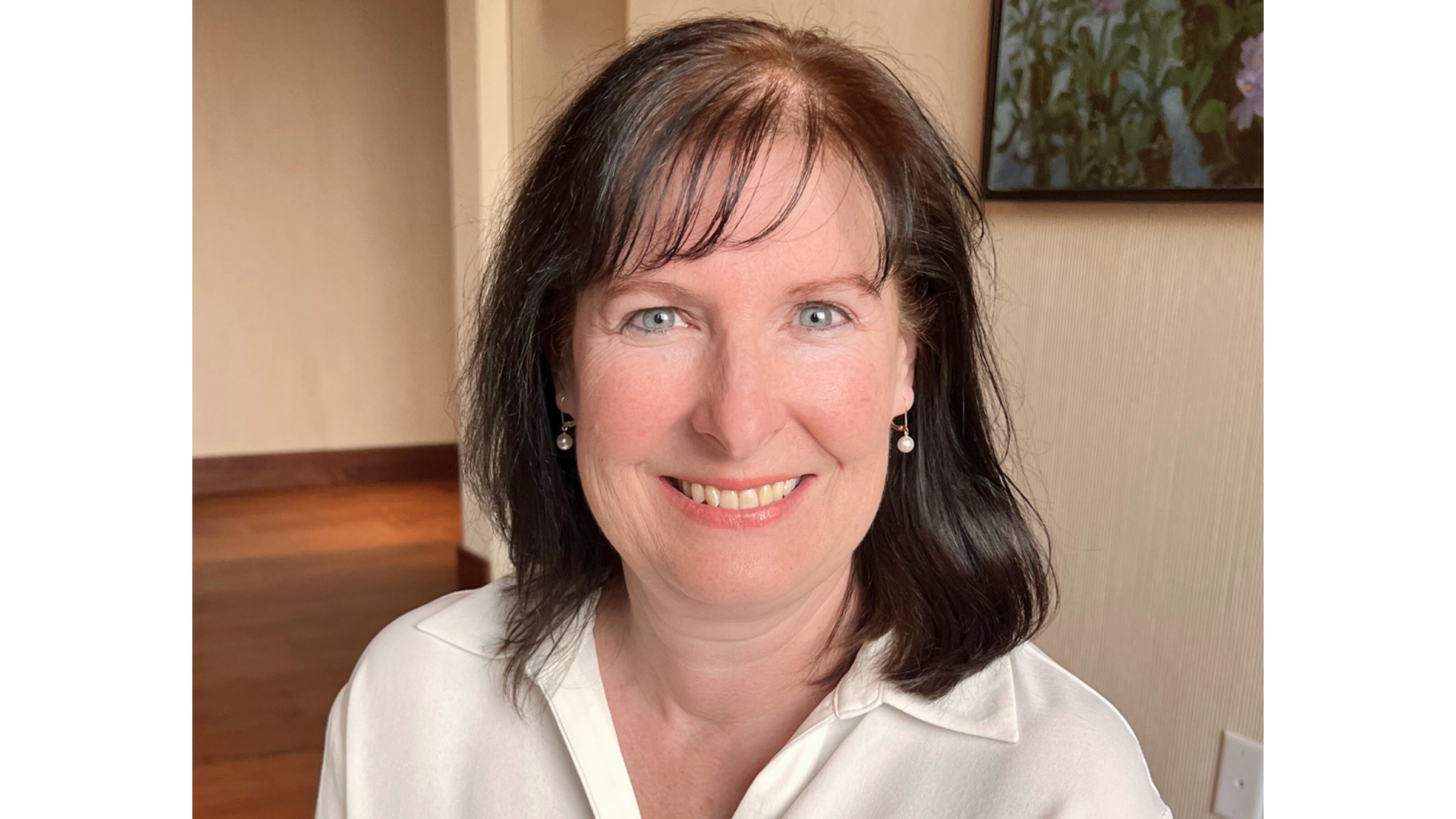
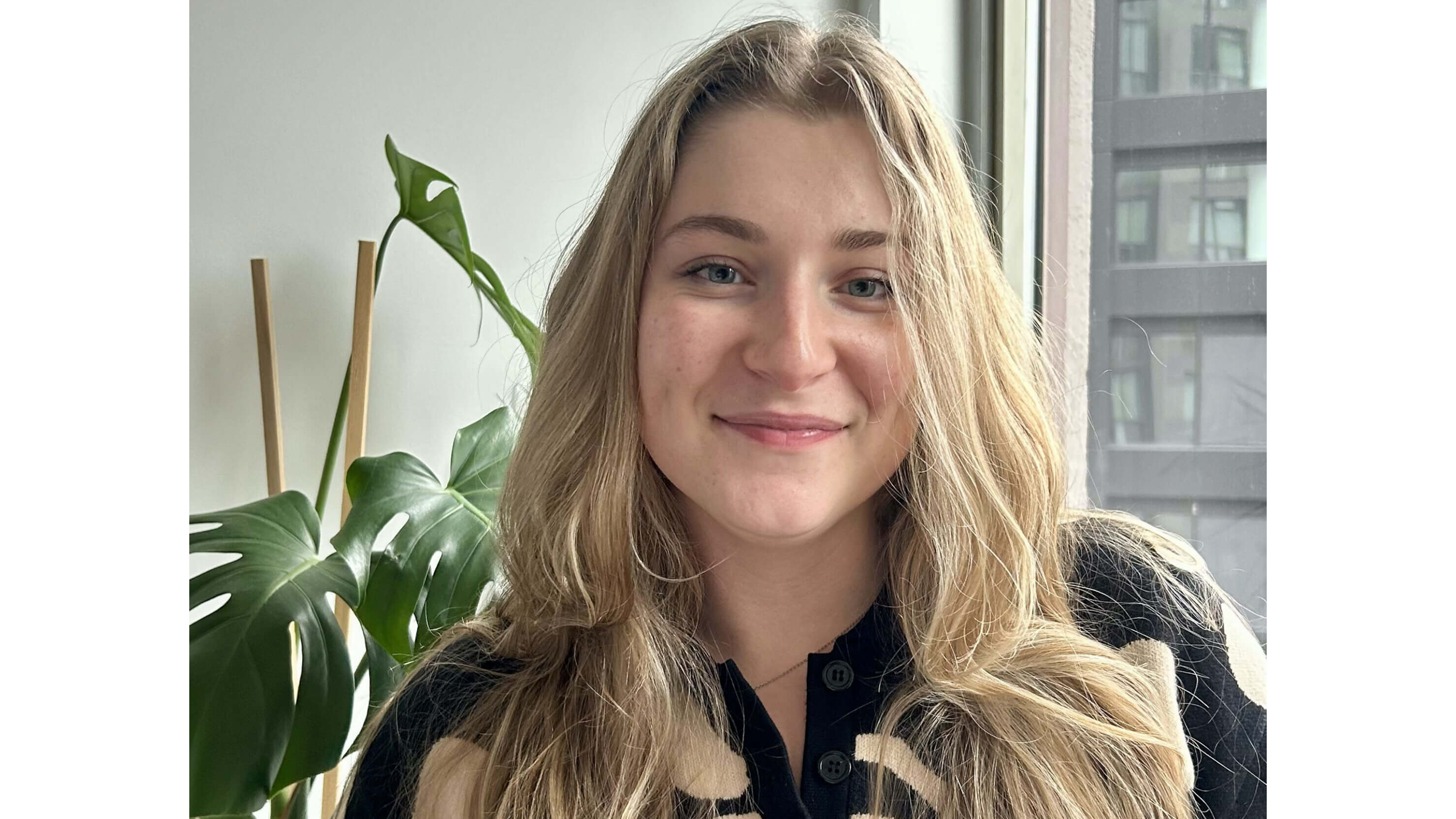
Carol MARTIN Longwell'87 is a leader, organizer, motivator, strategic thinker, writer and a highly adaptable museum professional. She is currently the Senior Manager of Museum Curation for the Walmart Museum in Bentonville, Arkansas. Samantha MOFFATT-SANZ'21 is an MFA Candidate at OCAD University in the Criticism and Curatorial Practice program. She is exploring alternative and community-based methods of curation that foster reciprocal and supportive relationships with artists.
To start off the conversation, we asked Samantha and Carol to talk about what parts of their experience at Bransome they think set them up for this path.
Samantha MOFFATT-SANZ'21: I did Higher Level visual art and film. And I also took the dark room photography after-school program. Lindsay Erdman, my HL Film and Art teacher, and Samantha Koscec, my visual arts Extended Essay advisor, really showed me the importance of caring about and supporting people in the arts community. I was also on Perennial with Ms. (Sophie) Tsonis as faculty supervisor, which fostered my love for print material and the accessibility of information.
My classes in the arts and teachers were incredible and so foundational to my skills as an artist. But through limited resources and reductions in Arts funding during my time as a student, I realized that the arts is a difficult industry in general and often goes overlooked or doesn’t receive the love it should. The Branksome community is lucky to have the darkroom and the in-house kiln, but it showed me that there’s always more that can be done, and I want to be part of the people doing more.
Carol MARTIN Longwell'87: I just found that I love to learn. I was the only student in my final year to take eight classes. So, I didn't have any spares. I filled all my time slots because I just had so much that I wanted to learn, and I couldn't make up my mind what I wanted to do. So I had history and economics and math and physics and English and, you know, I just liked everything, and that's what I love about museums. You can study everything and every time you get a new exhibit, you have to learn something new. So for me, being in museums is just a continuation of learning—it's a way that I could get paid to keep learning, and share my love of learning with everyone else.
Samantha MOFFATT-SANZ'21: I was wondering when you were saying earlier in the call that you were in Seattle researching other museums, the research that you do, is it kind of, CIA secret style or are you in dialogue with each other? Or is it more that you're just going and making your notes and being like, I like this and I don't like that?
Carol MARTIN Longwell'87: When we travel and visit other museums, we do, most of the time, try and have contacts that we can go and talk to so we get the inside scoop on what folks find works and doesn't work for them. And then we try to apply it to what we do. For example, when I visited the Burke Museum, we got a tour of their archives because we're looking at how we're going to redo our archives. They took us behind the scenes and showed us all the different types that they have, and each curator took us through and said this is what we liked, this is what we didn't like, because they're using the same company that we're going to use.
We have a trip to New York coming up to specifically look at accessibility. So again, we've reached out to the accessibility departments of a bunch of different museums. You would love it, Samantha. We're going to go see the MoMA and the Whitney Museum of American Art. It's going to be great.
Now, maybe I can ask you a question. You are just emerging into the field. What are the future trends that interest you?
Samantha MOFFATT-SANZ'21: I think, and based on my cohort at OCAD, a lot of people are looking at care work. We have one student whose thesis is actually called crip caring, and she's looking at disability within curation as a member of the disabled community. A lot of people in my program are really interested in things that are a bit less sterile.
As well, a lot more niche areas of curation that involve reciprocity in some way between the artist, the artwork, the object, whatever it may be, and the place or person that is caring for it or showing it. A lot of people, I find, are really anti-museum. I think a big thing is alternative spaces and methods of curating that work better with the medium and the space, if that makes sense.
Carol MARTIN Longwell'87: Yeah, I was thinking as I was listening to you about how museums are more than a box now. We're trying to figure out how you can make museums more accessible.
When I was visiting the Burke, their staff area was just glass walls. So you can see everybody working on the collection all the time to demystify the work that goes on behind the scenes. I think it's really interesting that some of the things that apply to the art world, which is your world, apply to the bigger museum trends. But there are some challenges that I see because we have to protect the works. That's the one thing that I've learned in museums—anything can be broken. I am amazed at the things that people will do in museums that I, as a respectful museum visitor, would never even contemplate.
So when you're thinking about museums or showing art in other places, how do you think about protecting that art and that artist?
Samantha MOFFATT-SANZ'21: I'm looking at reciprocity, and I want to have a commercial gallery, but one that is set up quite differently. Thinking about caring for the artist and the artwork, to me, is a lot of negotiation and dialogue with the artists themselves, asking what they need and what they are comfortable with, and what are they not comfortable with?
And I also am looking at how people are responding in more casual spaces. I think protecting the work is something that is important, but it’s more important to do it how the artist wishes to. If they're okay with people getting quite close to the sculpture and they know it's not a breakable thing, then I want to support that. If there are concerns about the fragility of the work or temperature, I would find a solution that makes sure that they're comfortable and that the artwork is comfortable in the space.
This protection of the artwork in dialogue with the artist still allows visitors and viewers to feel like they have access to the work in a way that is not like “high art” versus “low art.” I don’t believe that if you don't know anything about art, then this is not your place. I think it's for everybody, no matter what you know or don't know. It's important that it's as accessible as possible for everybody.
Carol MARTIN Longwell'87: I think it's really fun, some of the trends that I've seen. The art gallery here, the Crystal Bridges Museum of American Art, they're really starting to try some things like that.
They've created library spaces where there's a couch and some books about art, but then there's art all around—trying to create context. I feel like modern art and contemporary art is less well received by people who aren't familiar with art because it can be hard to find an entry point. And so they're trying to put older works that inspired newer works together to talk about how they relate to each other. And I find that's a good entry point for non art-students to be able to say, "Oh, that's something I recognize. Oh, this is a riff on that piece of art." And I really think art galleries are starting to try and make it a little bit less like art, label, art, label, art, label. To create a new dynamic with the visitor.
Samantha MOFFATT-SANZ'21: Yeah. I went into a space on Dundas West, and the owner of the gallery had reggae music playing in the background; it was not quiet in there. And he is a plant aficionado, and his collection is there in the windows and throughout the space. And it doesn't compete with the artwork, but it makes the space feel so much more welcoming because it's not just a box with things on a wall.
I wanted to ask, what's it like working with a private collection that has museum status?
Carol MARTIN Longwell'87: It's really interesting because I think it is very similar to a regular museum in that there are always stakeholders. The Walton family is still very active in this area of the country, and they care deeply about the image of their father, grandfather, and great-grandfather. So we do have to work with their archivist and with the family to make sure that how we present Sam is acceptable to them. For example, we have a hologram of Sam Walton.
Samantha MOFFATT-SANZ'21: I saw this on the website.
Carol MARTIN Longwell'87: It’s a really neat piece of technology, but we worked really closely with the Waltons to make sure that Sam looks just like he did at the time and that he sounds like him, but also that the hologram only says things that he actually said or wrote. So if you went up to hologram Sam and said, "Hey, what do you think of politics in 2025?" He would say, "Well, I don't know.”
Next, I wanted to talk to you about my recent visit to the Chihuly Museum, which I loved. I went through the museum, and saw a demonstration of glass blowing and then there were videos that helped us understand how he built a lot of them at the end. But for me, I wished I'd seen them first.
So, when you're thinking about curating something, what do you want visitors to come in with? Do you want them to have a blank slate in their mind, or do you want to give them a frame of reference as they go through?
Samantha MOFFATT-SANZ'21: I think it's a little bit of both. I recently took the lead on a collective show that had 20 artists in it at Concordia. We worked with the artists to make a printed catalog, which people don't often do anymore. And we included the artist's bio as they submitted it to us, as well as their written work about the piece that was in the show. And that way, they could choose what they wanted to share and didn't share. I think that was a nice way to let the audience also decide how much they wanted to know. It let people kind of choose their own adventure.
Carol MARTIN Longwell'87: I like that. Choose your own adventure art. That's awesome.
Samantha MOFFATT-SANZ'21: I really like the choose your own adventure style. The context is there, and if that's how you want to approach it, knowing something or you want to know afterwards, I think that's also a way to make art a little bit more accessible in some cases because people are free to engage how they want.
Carol MARTIN Longwell'87: Which I've been thinking a lot about because we just redid the Walmart museum in a way that I think could have been better, and so now we're working on making it better. For me, it all starts with what story you're trying to tell. But then, from there, it's how do you tell it to the visitor in the best way for them?
There are so many different kinds of visitors that you want to use all the different styles, just like in education, all the different learning styles and the different ways of engaging people. And so, while I'm not 100% happy with the museum at the moment, the thing that makes me the happiest is when I see visitors interact with each other, like people that they didn't come with.
We have a lot of retro items. Things that you would have purchased in the 1950s, 60s, '70s. And people go through, and they're like, "Oh, I had that." And then someone else will be like, "Oh, that was in my granny's garage.” You get interaction between people who wouldn't normally interact. And to me, that's a really exciting experience when you connect people through an experience. I find museums, I'm sure you find this too, but they tend to be very quiet.
Samantha MOFFATT-SANZ'21: Hushed voices, whispering, texting people.
Carol MARTIN Longwell'87: Unless you're at a science museum, which is loud—very, very loud— but creating conversation between visiting groups in a museum is a really exciting way of going about things.
Samantha MOFFATT-SANZ'21: Yes that's definitely something that I was looking at too, in our collaborative show that we did recently. We actually had live DJ sets, and a bar. One of the artists made a chair, and people could sit in it. And other people were just coming and doing their little lap and then leaving. People really got to pick their own adventure and engage how they wanted to.
Carol MARTIN Longwell'87: I'm all about the visitor. I'm very visitor-centric, and I'm really excited that right now the Walmart museum is going to try to become the most accessible corporate museum in the country. We already have things for people who are visually impaired and we're looking at how we can add more to that. There's something called NaviLens. It's kind of like a QR code that helps people who have low vision to navigate. So, we're looking at whether there's a way we can adapt from its use in the metro system in New York City to the museum.
Samantha MOFFATT-SANZ'21: Alright, my last question for you is: What are you excited about?
Carol MARTIN Longwell'87: I am excited about how we can make sure that everyone feels included at Walmart. We're all about belonging and making sure that people feel like they belong in whatever space they're in.
So, my last question for you is: If you had a magic wand and you could create your perfect job, what would it be?
Samantha MOFFATT-SANZ'21: Well, I am currently working to make my magic wand real because I would like to own an art gallery. A commercial gallery in the sense that works are being sold, but with the ethics and values of an artist-run collective.
And this space would be a gallery that negotiates contracts with artists to take percentages that are acceptable for the income that they have coming in. I'm looking at having a store in the gallery, and all of the artists that are represented would be able to work a couple shifts a week, so they have income coming in and they're not solely depending on sales of the artworks.
And I hope to one day be able to have studios in that space for artists who can't find studio space, who I'm representing, to be able to come and have a place to work that is paid for. They can just do what they need to do because I think there is no world without art. And I want to have a job that makes sure that it stays for as long as possible.
Carol MARTIN Longwell'87: Love it. Love it.